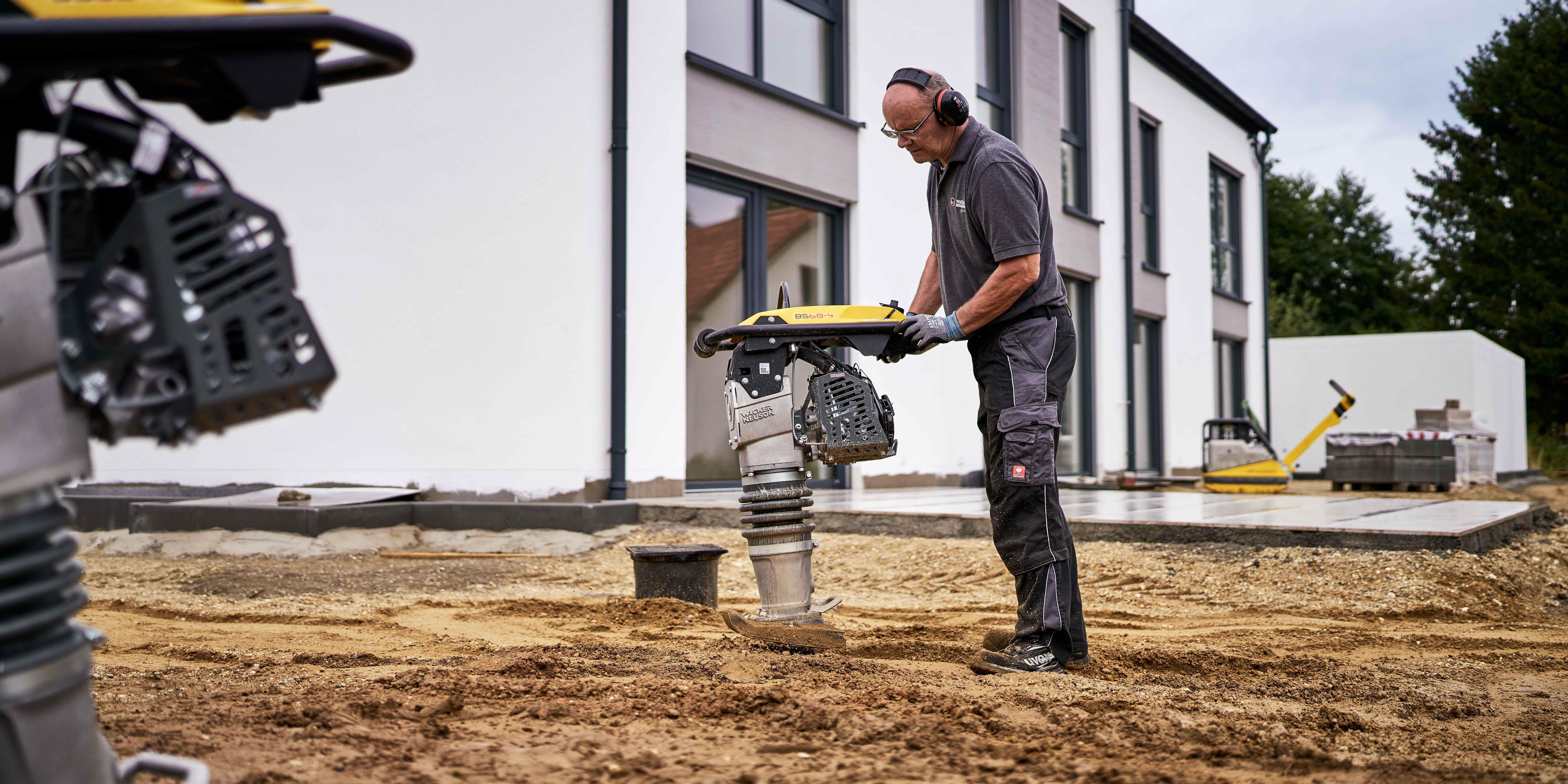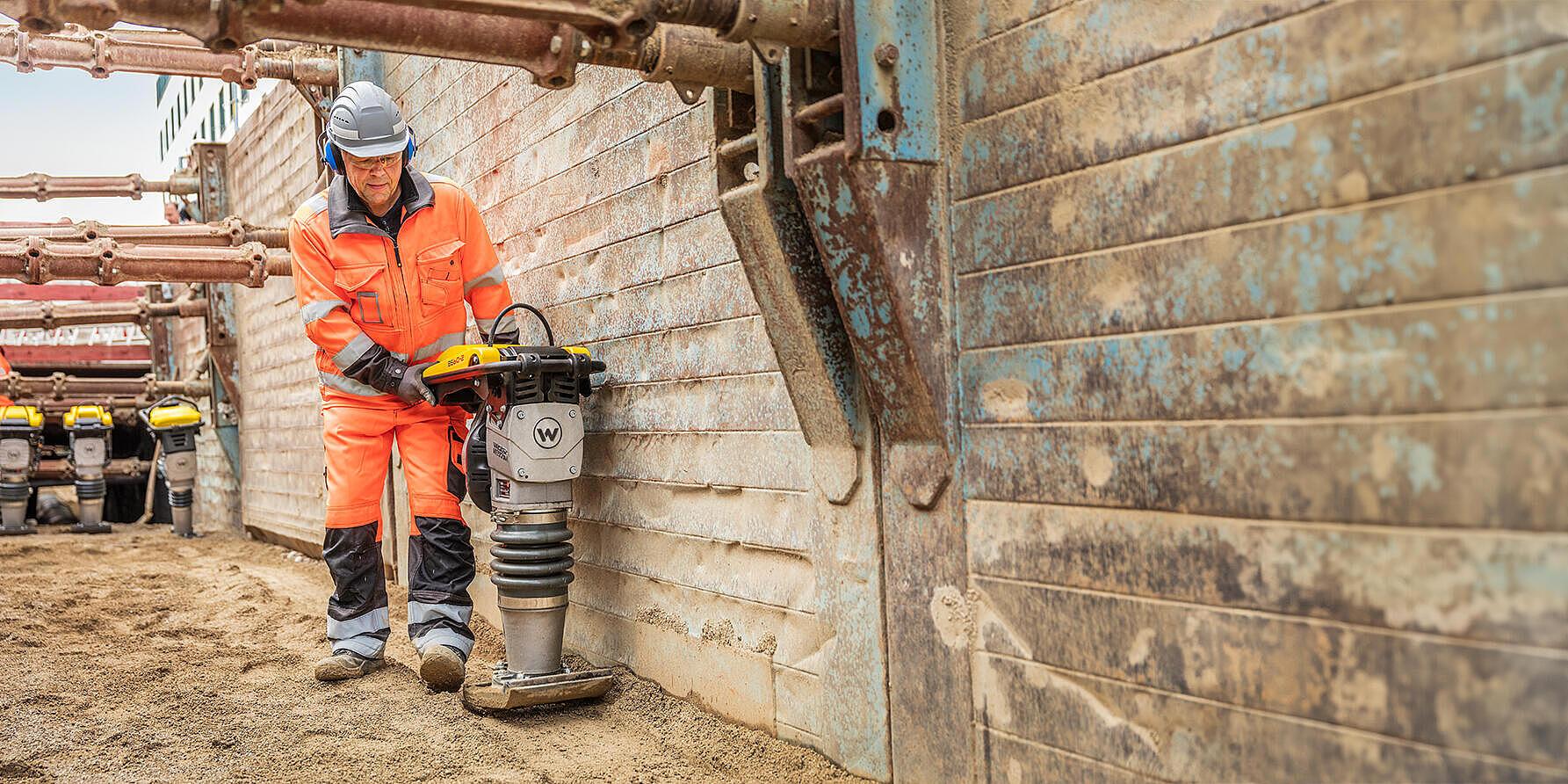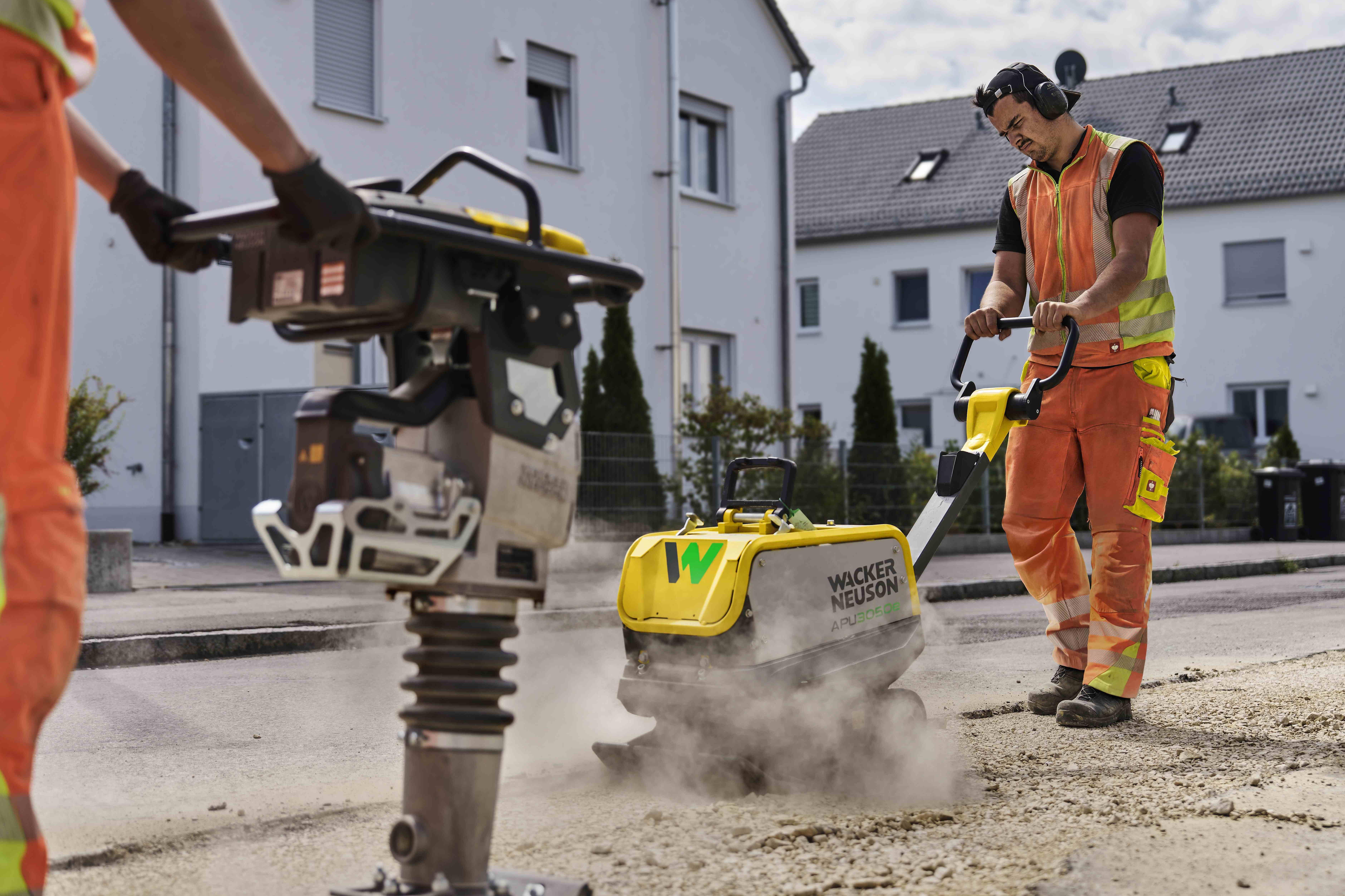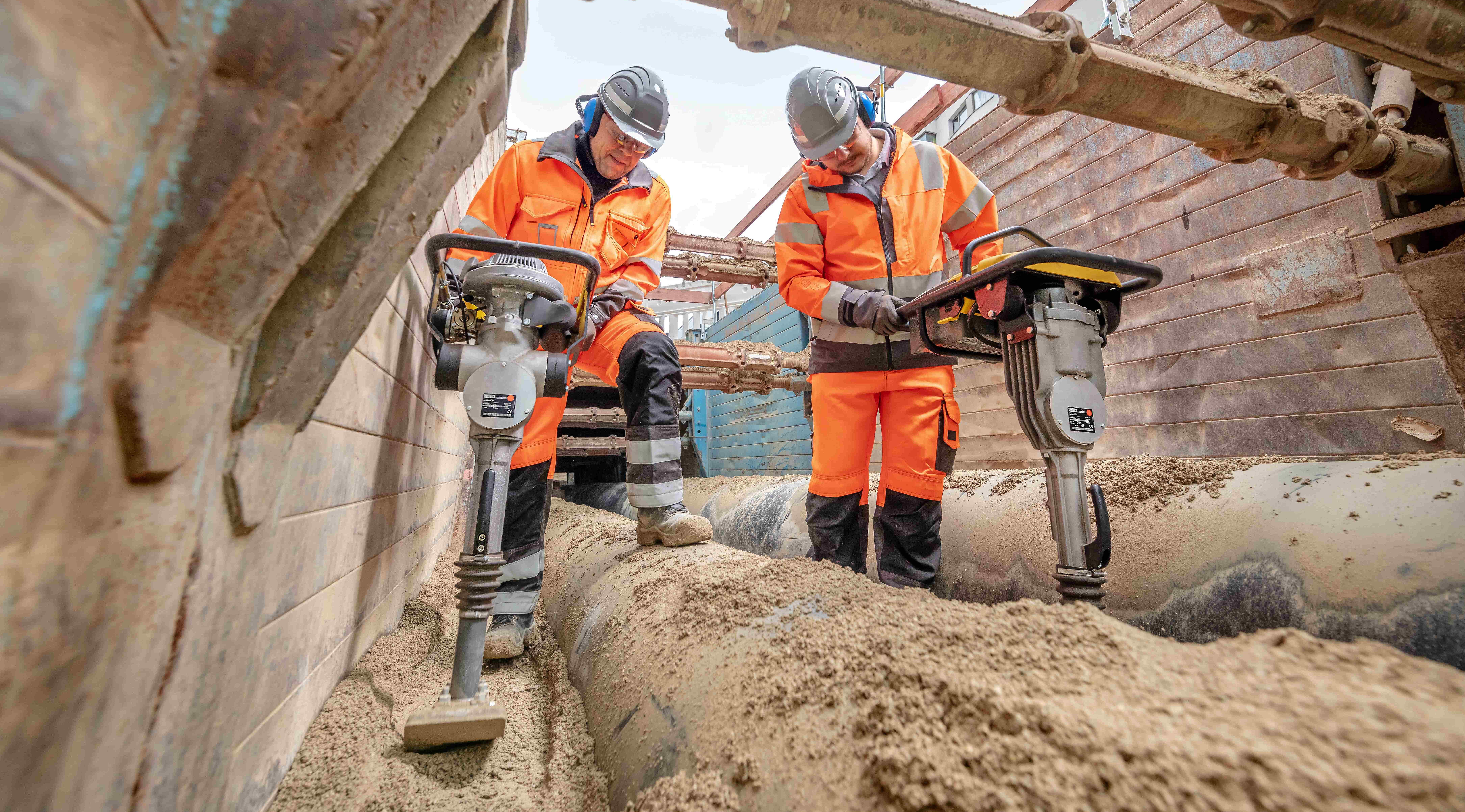
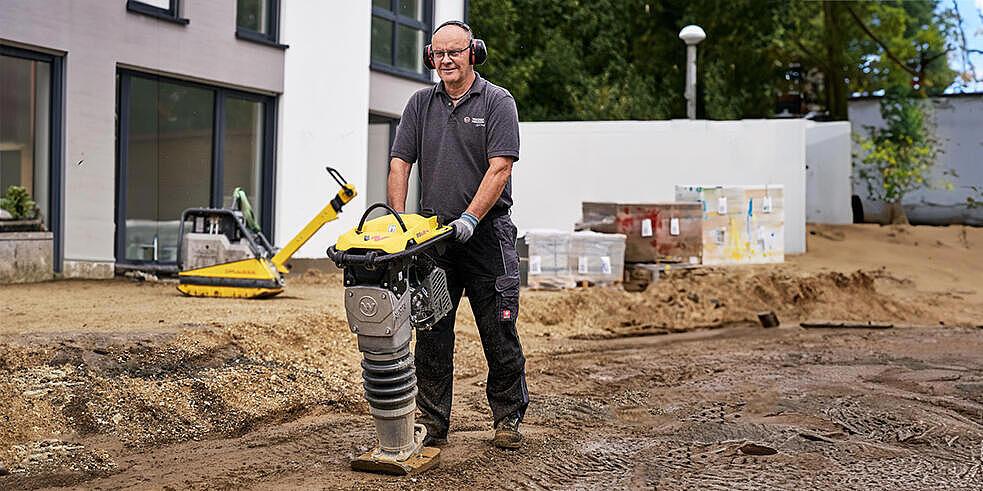
rammer BS30 and AS30e in action

How deep does a vibratory rammer compact?

The question “How deep does a vibratory rammer compact?” is as important for construction professionals as it is for DIYers. This is because only a robust, compacted ground guarantees the necessary load-bearing capability for paved areas, foundations, and excavations. In this article, you will discover the depth to which a modern vibratory rammer takes effect, the factors that influence compaction, and where the machines can best be used.
What does compaction depth mean?

The compaction depth describes the area within the soil in which the vibratory rammer has a measurable impact on increasing the density. Important: This does not concern how far the machine “sinks,” but the depth at which the air and water is displaced and the pore space is closed.

How deep does a vibratory rammer compact per pass?

The depth is dependent on different factors, including, amongst others, the weight of the vibratory rammer, the impact energy, the particulars of the soil, the water content, and the lift height. In practice, vibratory rammers typically compact between 3 and 7 cm per cycle. That means:

  • A “pass” is a run across the same area.
  • 2–3 runs are sufficient to achieve almost complete compaction (up to 100% Proctor density).
vibratory rammer BS62 in action
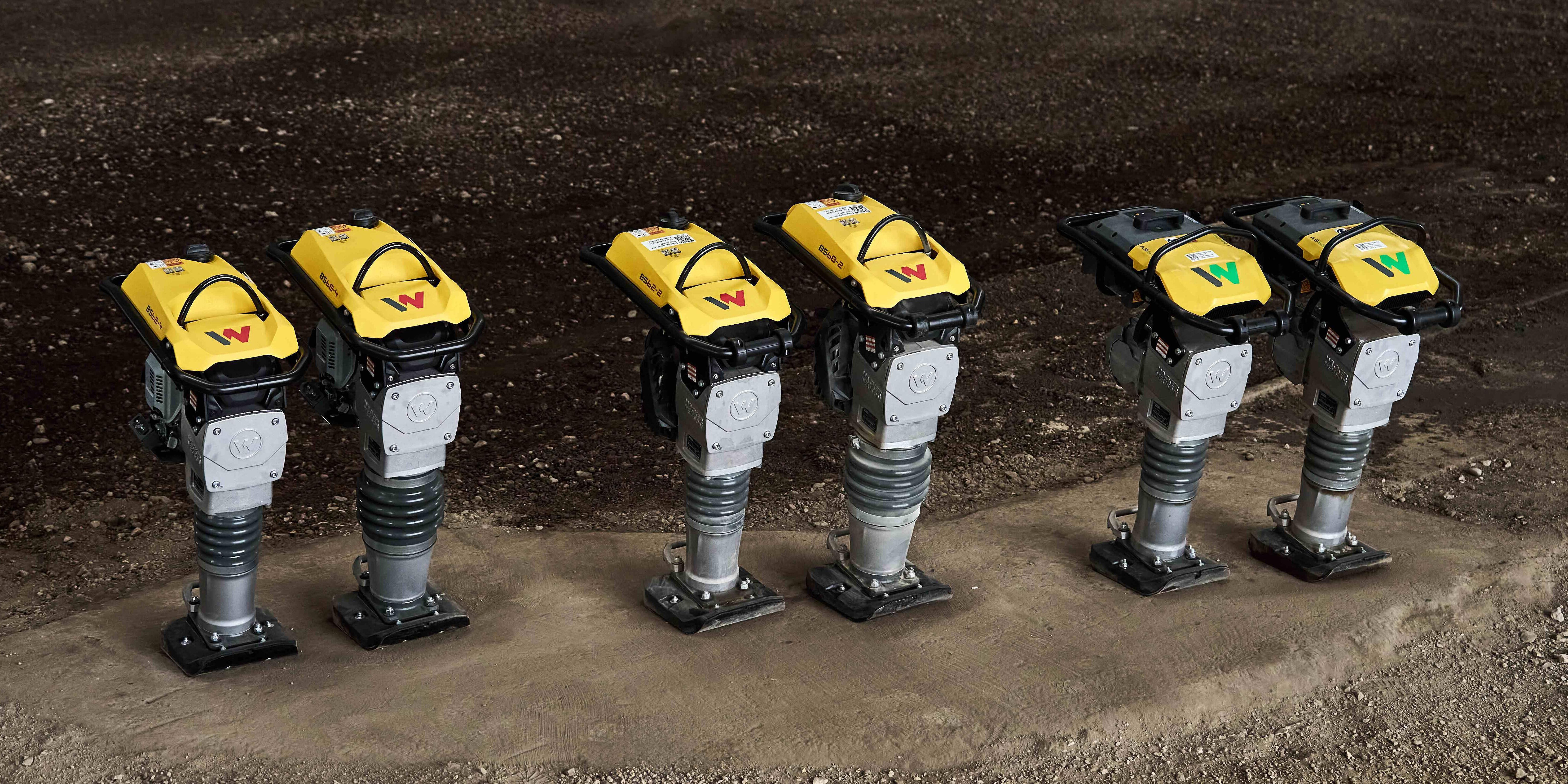
six rammers from Wacker Neuson parking in line
vibratory rammer BS62 in action on construction site
vibratory rammer BS60 in action

Compaction in layers (layer compaction)

For greater depths, a single rammer run is inadequate. For that reason, layer compaction is utilized:

  • A layer of approx. 20 cm is applied.
  • This layer is compacted with several rammer cycles.
  • Then the next layer is up.

With this procedure, it is possible to have sturdy backfillings of 40 cm and more.

Which soils are particularly well-suited to compaction?

Vibratory rammers are particularly efficient for:

  • Cohesive soils (loam, clay)
  • Mixed-grain soils (silty sand, gravel-clay-mix)

Pure sand layers or coarse-grain materials are less suitable and often where vibratory plates are more effective.

Typical areas of application of vibratory rammers

Vibratory rammers are above all practical where larger machines, such as vibratory plates, can't be used. Typical areas of application are:

  • Trenches and construction site backfilling
  • Border areas of pathways
  • Repair areas in road construction
  • Foundations of smaller structures

Frequent errors of compaction

  1. Soil layers too thick: If more than 20 cm is applied, compaction does not reach the lower areas.
  2. Too few passes: Just one pass is normally not enough.
  3. Incorrect soil type: Vibratory rammers are not ideal for every type of soil.


Here you will find an overview of all Wacker Neuson vibratory rammers.

Contact Contact

Contact

Phone number: +49 800 7831 850

Free hotline